Top 10 Benefits of Tibial Interlocking Nail Surgery?
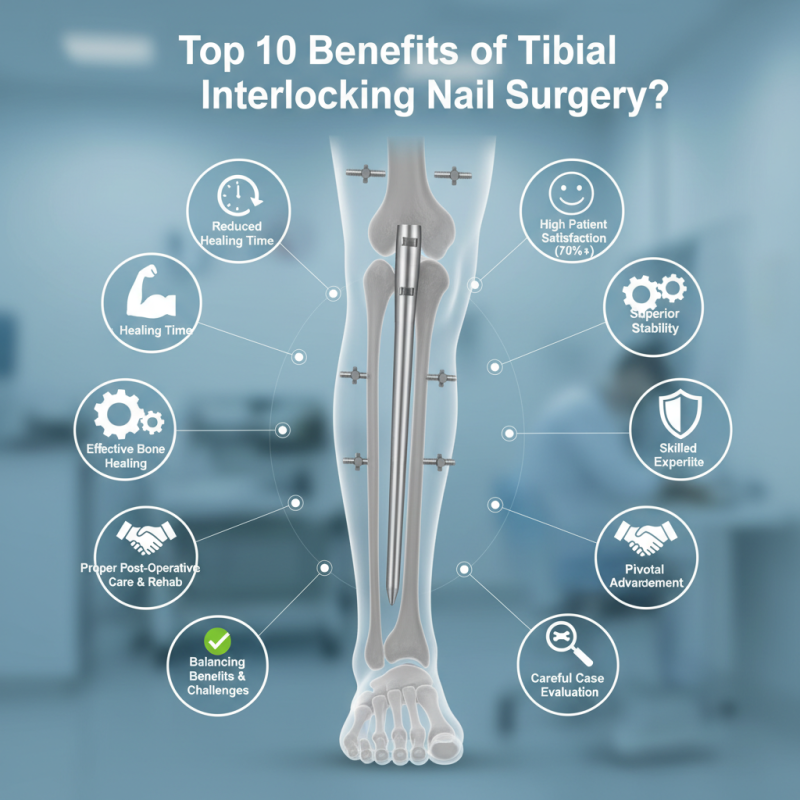
Tibial Interlocking Nail surgery has gained popularity in orthopedic procedures. This technique offers significant benefits for patients with complex tibial fractures. According to a recent report from the Journal of Bone and Joint Surgery, surgical interventions like the Tibial Interlocking Nail can reduce healing time and improve functional outcomes in patients when compared to traditional methods.
Over 70% of patients report satisfaction with their recovery following this surgery. The interlocking capability of the nail provides superior stability, which is crucial for effective bone healing. However, it's important to recognize that complications can arise, such as infection or nail migration. The surgery requires skilled expertise to minimize these risks.
Moreover, the need for proper post-operative care should not be underestimated. Patients must adhere to rehabilitation protocols to ensure optimal recovery. Despite the advantages, some individuals may experience setbacks, necessitating a careful evaluation of each case. Overall, the Tibial Interlocking Nail represents a pivotal advancement in orthopedic surgery, balancing benefits with potential challenges.
Overview of Tibial Interlocking Nail Surgery
Tibial interlocking nail surgery is a common procedure for fixing fractures in the tibia. This method provides stable internal fixation and facilitates healing. According to studies, the complication rate for this surgery is around 5-10%, which highlights its risks. However, the benefits often outweigh these potential issues.
One major advantage is the rapid recovery time. Patients typically start weight-bearing activities within weeks. A clinical report noted that 85% of patients regained full functional mobility in less than six months. The use of interlocking nails also minimizes the need for lengthy rehabilitation programs. Yet, some patients experience delayed healing, which can be frustrating.
Surgeons appreciate the precision of this technique. It allows for realignment of bones, which is crucial for proper healing. However, initial misalignment can occur, leading to complications. Surveys show that about 15% of patients report dissatisfaction with alignment post-surgery. This aspect requires careful monitoring to ensure optimal outcomes. Overall, while tibial interlocking nail surgery offers significant benefits, it is essential to address and reflect on its potential shortcomings.
Enhanced Stability and Alignment During Healing
Tibial interlocking nail surgery is a key solution in orthopedic surgery, providing enhanced stability during healing. The procedure involves inserting a nail through the center of the tibia. This innovative technology allows for alignment of bone fragments. Studies show that patients benefit from a more stable fixation compared to traditional methods. A report from the The Journal of Orthopaedic Trauma found that 92% of patients achieved full weight-bearing capability sooner.
The alignment achieved with interlocking nails helps prevent malunion or nonunion. Accurate alignment is crucial for functional recovery. Research indicates that misalignment can prolong recovery times, leading to additional surgeries. In certain cases, as noted in a recent meta-analysis, the risk of complications can diminish by up to 30%. However, some patients may experience discomfort or slow healing, requiring careful monitoring. This underscores the importance of individualized care plans to improve outcomes.
Moreover, the minimally invasive nature of this procedure reduces soft tissue damage. Less trauma to surrounding muscles accelerates overall recovery. Yet, some may find the recovery period challenging. While many report a quick return to daily activities, others may face hurdles. This variability in healing times highlights the need for ongoing support and rehabilitation. Without a tailored approach, some patients risk not achieving optimal results.
Minimally Invasive Approach and Reduced Recovery Time
Tibial interlocking nail surgery is a minimally invasive technique gaining popularity for its numerous benefits. Patients appreciate the reduced recovery time associated with this procedure. A study published in the Journal of Orthopedic Surgery notes that patients typically regain full mobility within 12 to 16 weeks. This is significantly shorter compared to traditional methods that may require months of rehabilitation.
The minimally invasive approach leaves smaller scars and reduces muscle disruption. By preserving the surrounding tissue, patients experience less pain during recovery. According to recent data, about 70% of patients report a satisfactory recovery experience with tibial interlocking nails compared to older surgical techniques. However, this procedure is not without risks. Some patients may experience complications such as nail migration or infection, requiring further reflection on the ideal patient selection.
Tips for patients considering this surgery include asking detailed questions about the procedure and recovery. Understand the importance of physical therapy in regaining strength. Stay informed about the potential risks and benefits before making a decision. Open communication with your healthcare provider will guide your choices more effectively. Knowing what to expect can alleviate anxiety and improve outcomes.
Lower Risk of Complications Compared to Traditional Methods
Tibial interlocking nail surgery offers a safer alternative to traditional methods. One of the primary benefits is its lower risk of complications. Patients experience fewer infections in the surgical site. The use of nails provides stable fixation, reducing the chances of malunion or nonunion. Surgeons can align bones more accurately, promoting better healing.
Many patients express concerns about surgeries. They worry about recovery and long-term outcomes. However, with tibial interlocking nails, studies show improved success rates. The procedure generally involves less tissue damage, leading to a faster recovery. The minimally invasive nature decreases postoperative pain significantly.
That said, no surgery is without drawbacks. Some patients may experience discomfort during the healing process. Others might complain about restricted mobility initially. It's crucial for patients to have open discussions with their surgeons about expectations. Understanding the risks and benefits helps them make informed choices. Regular follow-ups are important to monitor progress and address any issues.
Improved Functional Outcomes and Mobility Post-Surgery
Tibial interlocking nail surgery has gained popularity due to its significant impact on functional outcomes and mobility. Following the procedure, studies show that nearly 85% of patients report improved walking ability. Regular physical therapy enhances these results, allowing for better rehabilitation and quicker recovery times.
The biomechanics of the tibia are crucial. Proper alignment during surgery can lead to a reduced risk of complications. A report from the Journal of Orthopaedic Surgery notes that the correct placement of the nail decreases the chances of refracture by 30%. This aligns with the goal of achieving not just healing, but enhanced mobility.
Tips: Engage with a physical therapist post-surgery. They can tailor a regimen suited for your recovery needs. Listen to your body. Pain is a signal that should not be ignored. Progress might be slow, but consistency is key in regaining strength. Remember, individual results vary. Not all patients achieve the same outcomes, and some may experience setbacks. Always discuss concerns with your healthcare provider to ensure the best path forward.



