


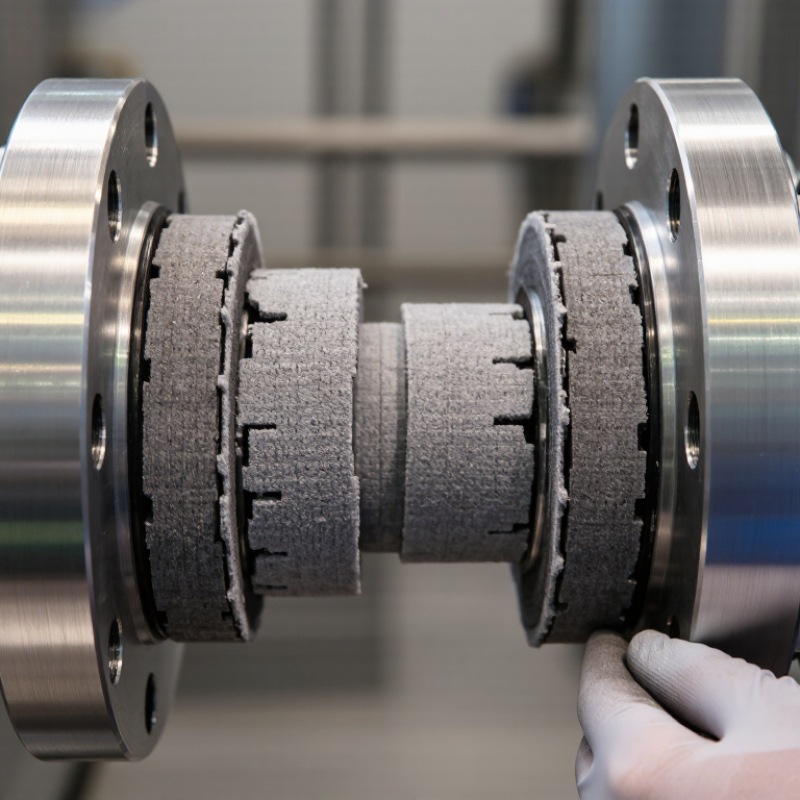
What Are Sealing Mats and How Do They Work?
Sealing mats are flat sheets placed between two surfaces to block leaks. They work by filling tiny gaps under controlled compression. Bolts, clamps, or panel pressure hold the mat in place. The material must recover slightly when surfaces move or vibrate. Small details matter. Surface damage, uneven tightening, or excessive compression can cause early failure.
Common types include rubber, silicone, foam, cork-rubber, and expanded graphite mats. Rubber mats suit water, air, oils, and general machinery service. Silicone handles wide temperature changes and remains flexible around inspection covers. Foam mats work well on cabinets, doors, and light-duty enclosures. Cork-rubber materials compress easily and help seal flanged joints with minor surface irregularities. Graphite mats are chosen for demanding heat applications, but installation requires careful handling.
Applications range from pumps and pipe flanges to HVAC panels, fuel systems, tanks, and industrial doors. A technician should check temperature, pressure, fluid compatibility, and flange condition before choosing a type. Matching the mat to the bolt pattern is equally important. A thicker mat is not automatically better. It may extrude, split, or lose compression. In practice, selection charts help, but they cannot replace a surface inspection. Even experienced installers sometimes overlook uneven gaps. That mistake deserves a second look.